Urbex Gear
When it comes to urban exploring (urbex), having the right clothing, safety gear, and essential tools is crucial to navigate abandoned sites safely and effectively. This article will provide a complete list of essential urbex gear for urban exploration, ensuring you’re well-equipped for any challenges you might face while exploring abandoned sites.
- Personal Protection Equipment
- Lighting Equipment
- Communication Equipment
- Emergency and Safety Gear
- Optional Equipment
- What is in my Backpack

Personal Protection Equipment
Safety should always be your top priority when embarking on an urban exploration adventure. Wearing the right protective gear can help prevent injuries and keep you safe in potentially hazardous environments.

Protective Clothing
Wear long sleeves and pants to effectively protect yourself against sharp objects and rough surfaces that you may encounter. Choosing durable clothing can significantly help prevent cuts and abrasions, ensuring your safety during various activities
Heavy-Duty Gloves
Use gloves to protect your hands from debris, hazardous materials, and sharp objects. They are essential for navigating through broken glass, rusty metal, and other dangerous materials.

Sturdy Boots
Sturdy boots are crucial for protecting your feet from nails, broken glass, and other sharp objects on the ground. Choose boots with thick soles and good ankle support to minimize the risk of injuries and provide stability on uneven surfaces.
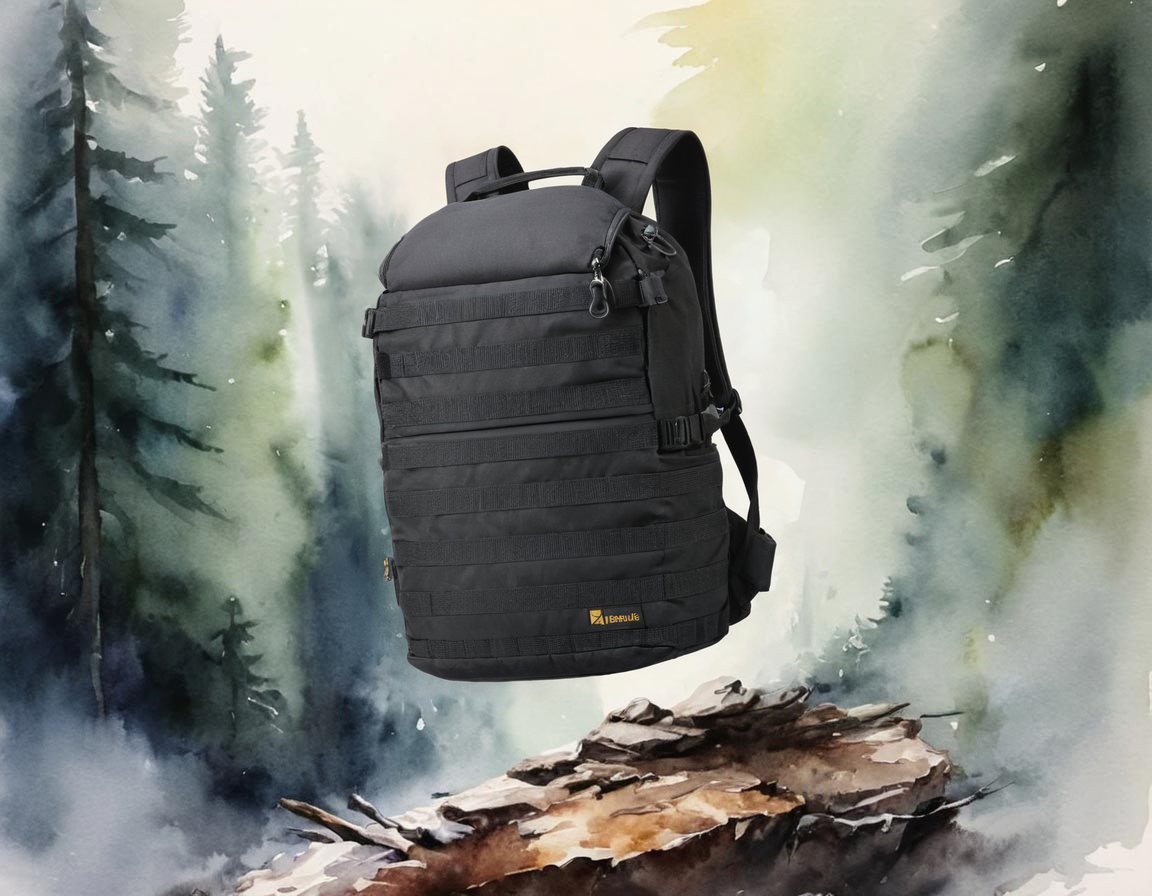
Backpack
To carry along and protect all your gear during urban exploration, a sturdy backpack is essential. Choose a backpack with multiple compartments, padded straps, and durable material to ensure your equipment stays secure and easily accessible. Curious what is in my backpack?
Lighting Equipment
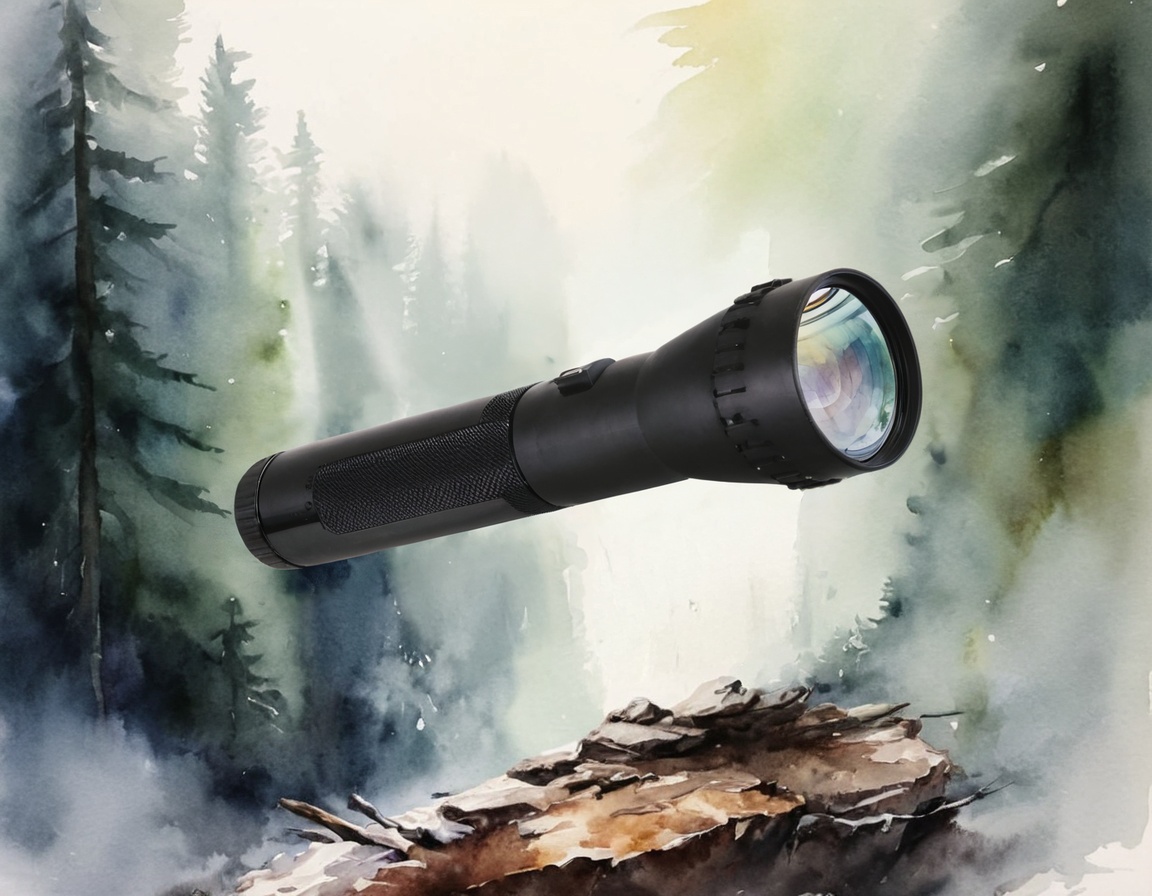
Proper flashlight or headlamp
Good lighting is essential for exploring dark and abandoned spaces. It helps you navigate safely and avoid potential hazards. A powerful flashlight ensures you can see clearly in dark areas, reducing the risk of accidents. A hands-free headlamp is strongly recommended for situations requiring climbing or when both hands need to remain free for safety and stability.
Communication Equipment
Mobile phone
Staying connected is crucial, especially in remote or isolated locations. Reliable communication tools can be lifesaving in emergencies. Ensure your mobile phone is fully charged and consider carrying a portable charger. A mobile phone allows you to call for help if needed.
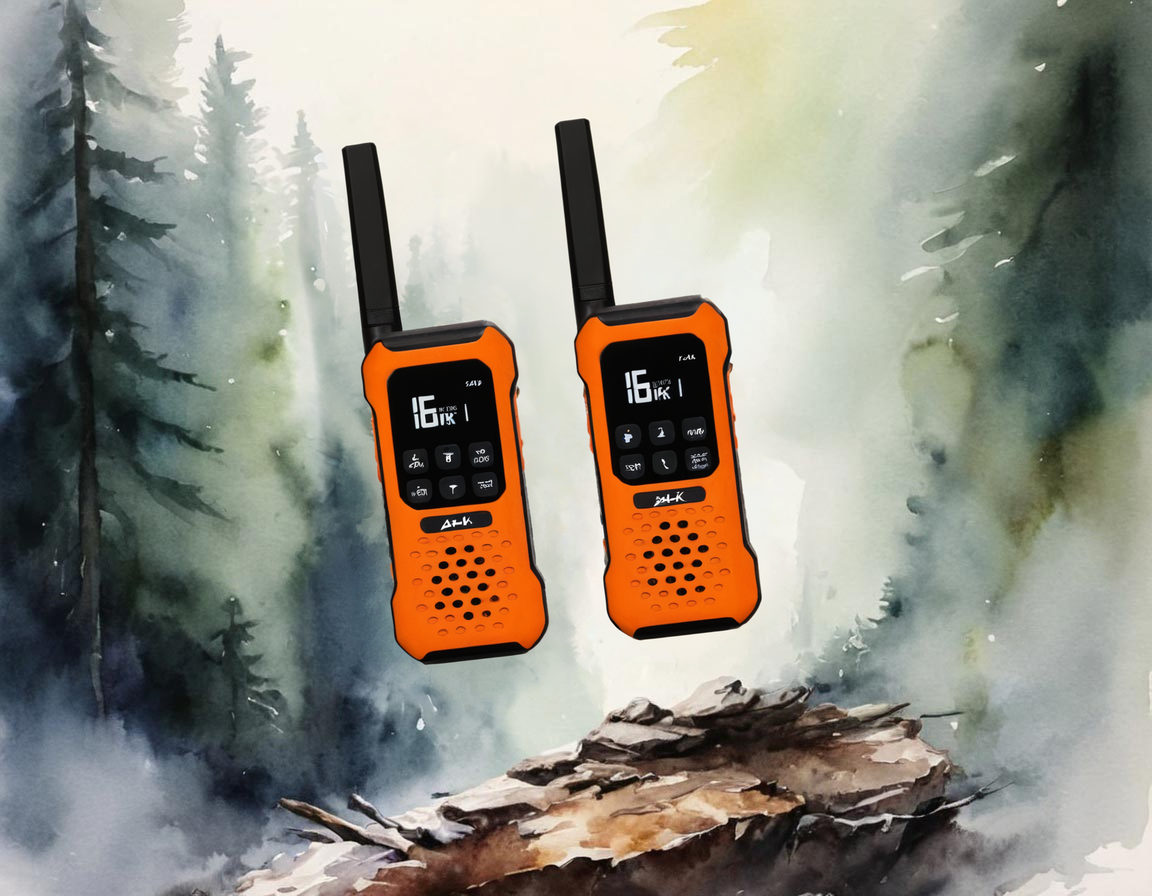
Two-Way Radios
In areas with no cell service, two-way radios can keep you connected with your buddy when you split up. They are handy for quick communication and essential for maintaining contact in remote locations without reception.
Some mobile phones have the ability to call over satellite when there is no reception. Check if your phone supports this; otherwise consider investing in a satellite phone or a personal locator beacon (PLB) for areas where cellular coverage is unreliable or nonexistent. These devices provide a critical link to emergency services and can make all the difference when you are far from help.
Emergency and Safety Gear
Urban exploration involves unique risks, from deteriorating structures to hazardous materials, making proper safety gear absolutely crucial.
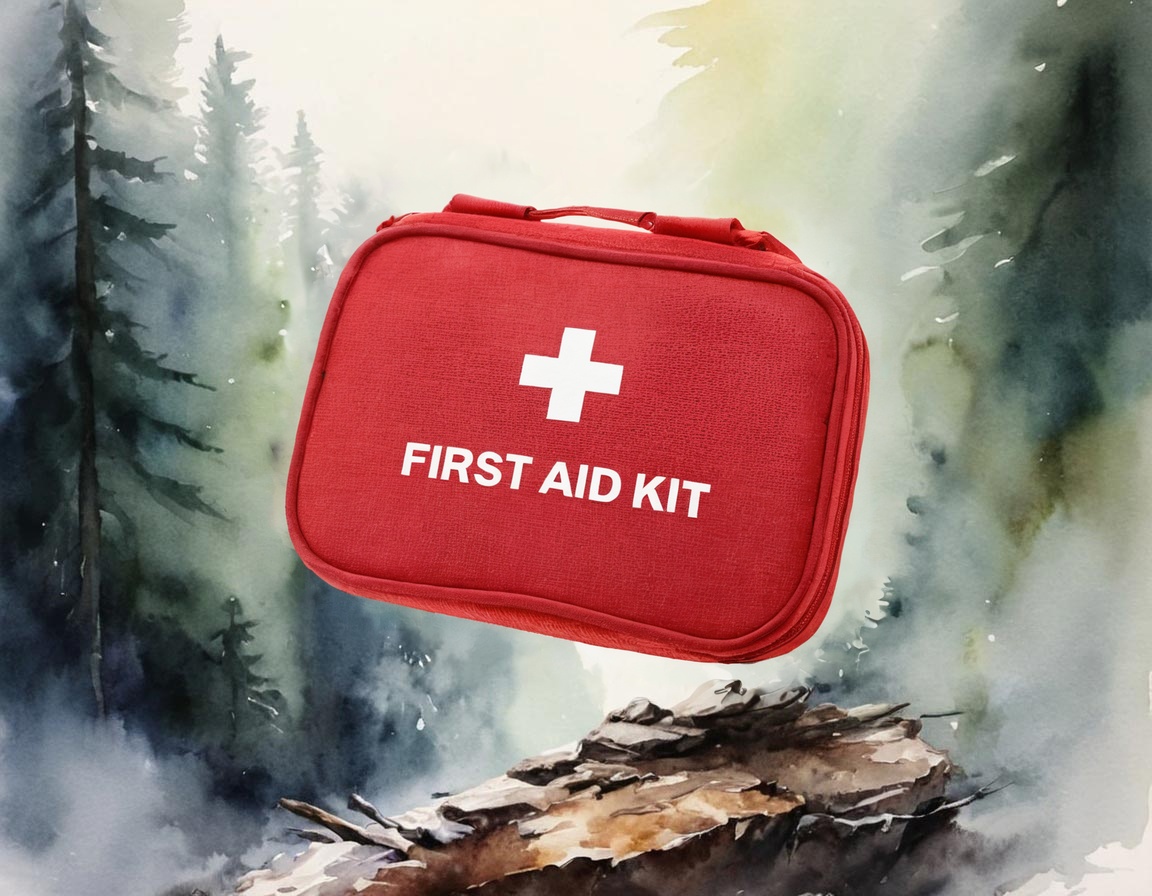
Basic First Aid Kit
Always carry a first aid kit to handle minor injuries. It should include bandages, antiseptic wipes, pain relievers, and any personal medications.

Dust Mask
Use a dust mask to protect your lungs from mold, dust, and other airborne particles commonly found in abandoned buildings.
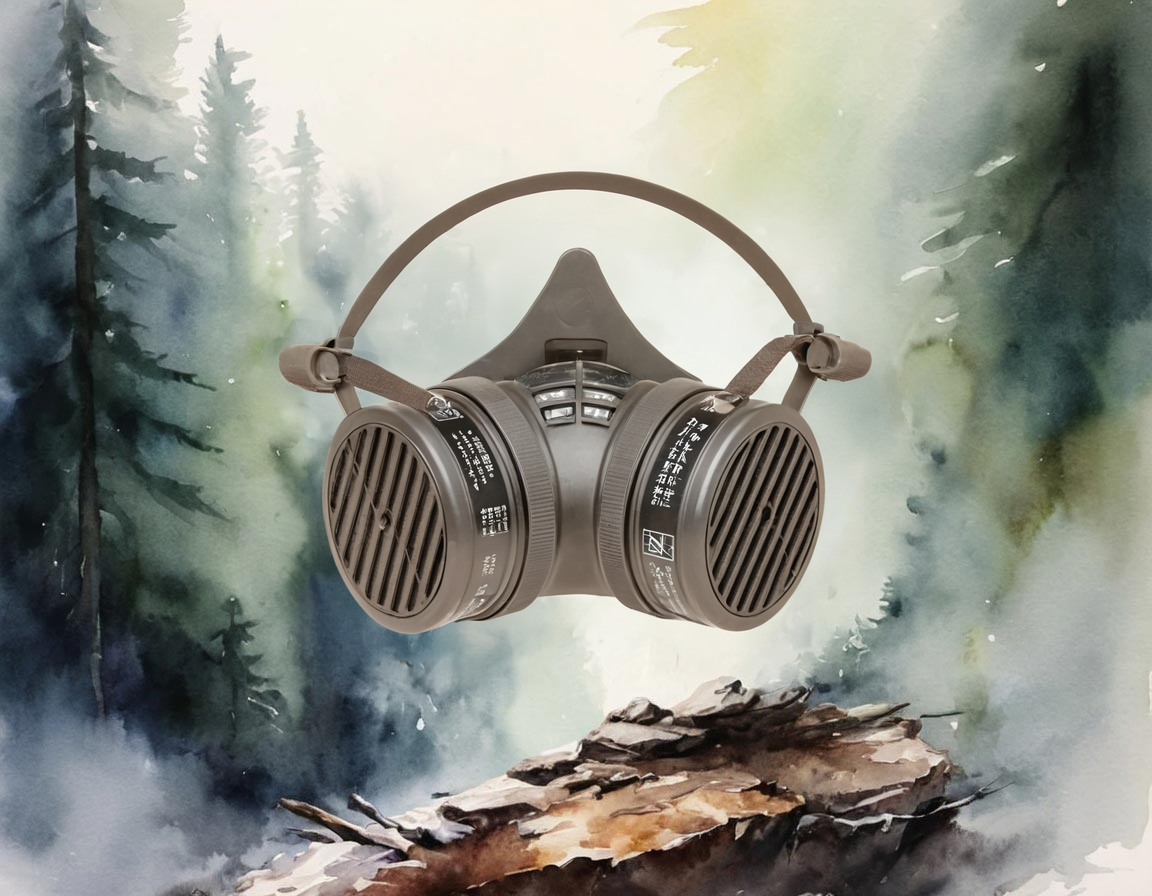
Respirator
For more serious air quality concerns, a respirator can provide better protection against harmful substances in the air such as asbestos and lead particles, which are often found in industrial environments.
Optional Urbex Gear
Optional gear can enhance your urban exploration experience, providing extra safety and convenience. The items listed below can be useful in specific types of situation and particular abandoned places.
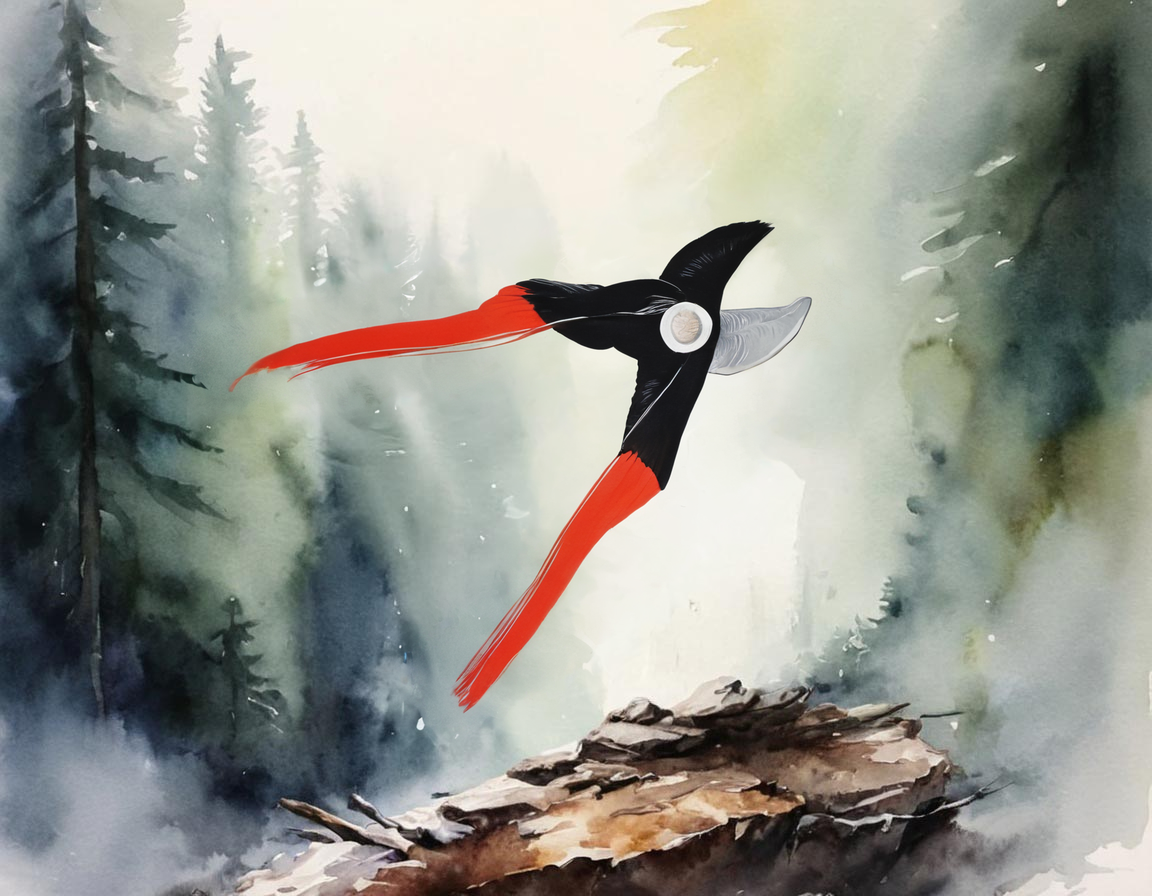
Pruner
Useful for cutting through overgrown vegetation blocking your path. They can help you access areas that are otherwise difficult to reach. Especially during spring the thorny plants can become particularly dense and troublesome.

Multi-Tool
A multi-tool can be handy for various tasks. It’s a versatile piece of equipment that can solve many unexpected problems. From repairing gear to tightening a loose screw, a multi-tool is indispensable on urban trip.
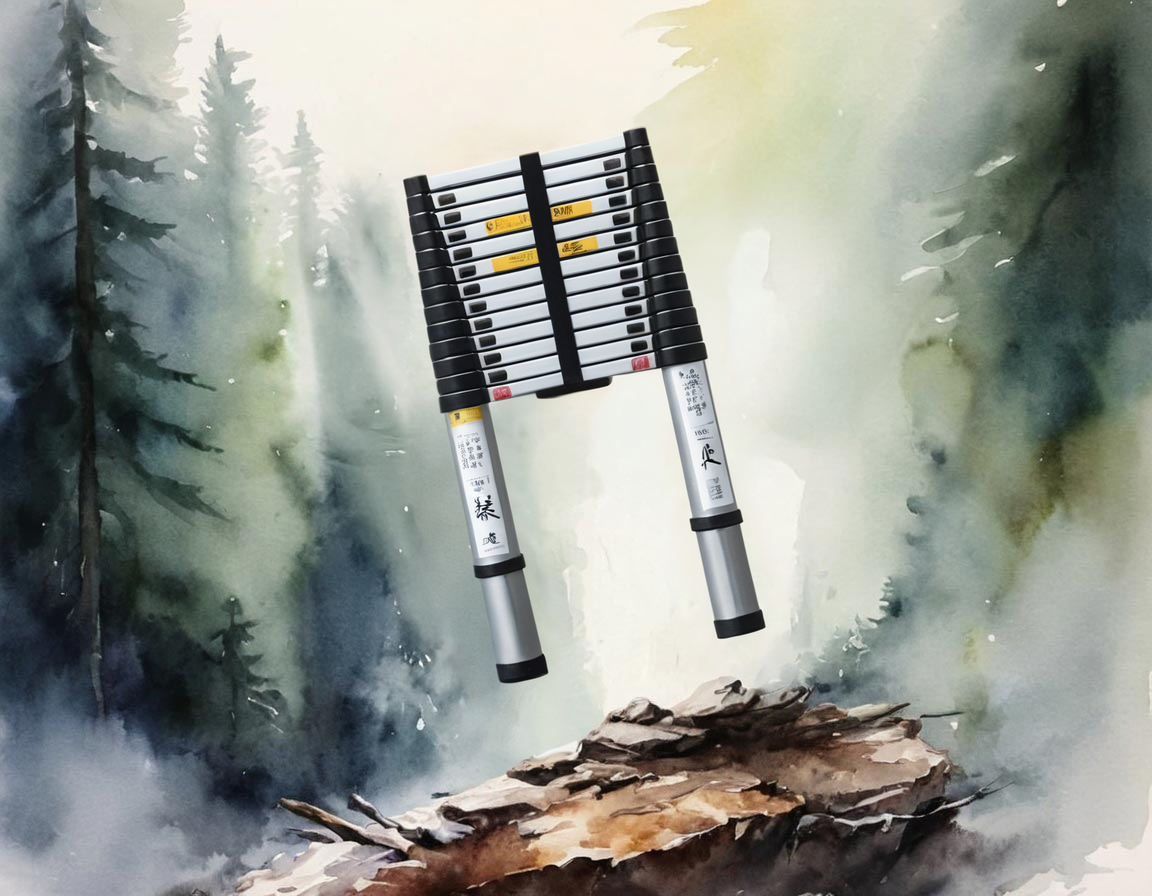
Telescopic Ladder
Useful for reaching higher areas safely. It can help you access rooftops, windows, and other elevated spots that are difficult to reach. Without the need of climbing and putting yourself in danger.
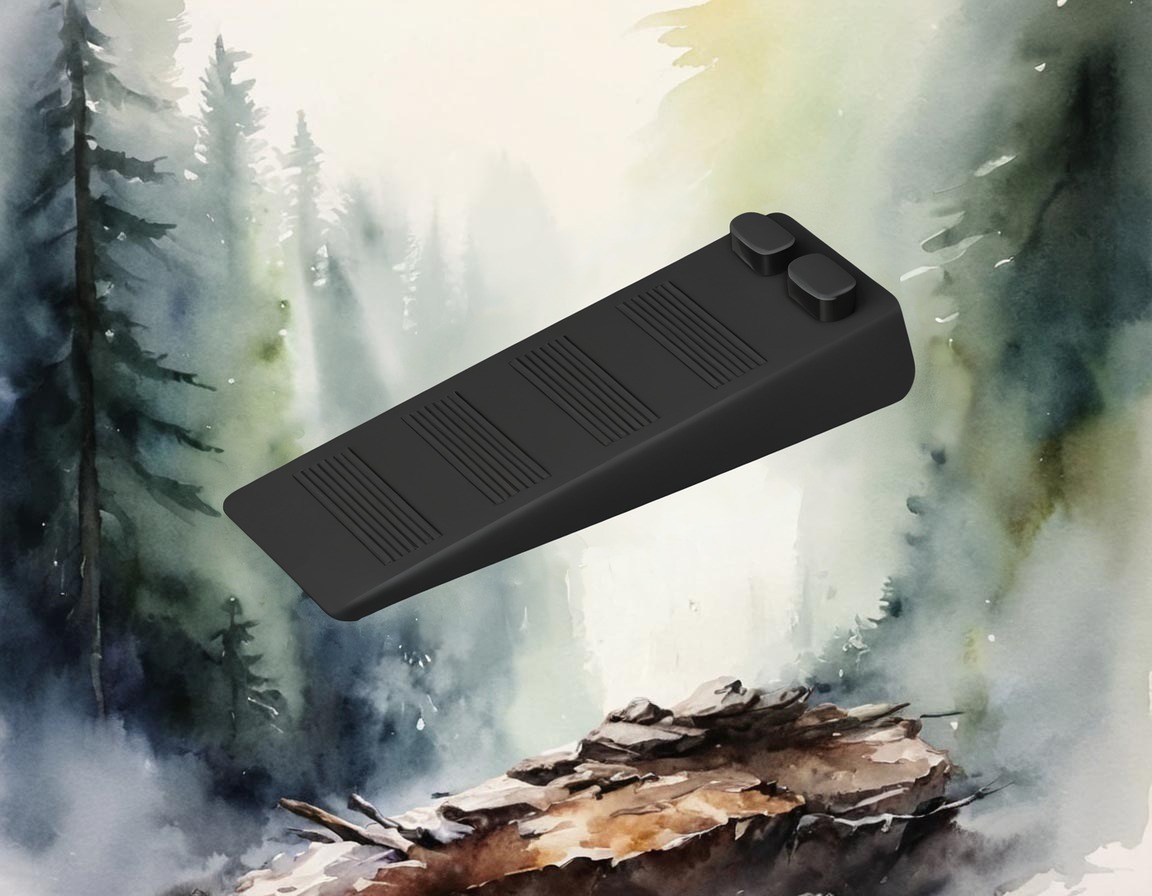
Door Stopper
A simple tool to prevent doors from closing behind you, ensuring you don’t get trapped in a room or building. They are very small and easy to carry along with you. Just don’t forget to bring it with you when you leave.

Insect Repellent
Protect yourself from bites from mosquitoes, ticks, and other insects. This will help to prevent discomfort and potential diseases.
What is in my Backpack
In my backpack, you’ll find an array of photography gear that I rely on to capture the places I explore. Photography is a crucial part of my urban exploration experience, allowing me to document the unique atmosphere and intricate details of abandoned sites.

1. Lowepro ProTactic 350 AW II
This backpack is compact and lightweight, making it easy to navigate through tight spaces. Despite its size, it offers ample storage for all my photography gear. The durable exterior ensures my equipment is well-protected, making it the perfect choice for urban exploration.
2. Sony Alpha 7R IV
I chose my camera body for its high megapixel sensor, which captures intricate details with stunning clarity. Its compact, lightweight design makes it easy to carry and maneuver, while its fast operation ensures I never miss a shot. This camera is truly a pleasure to work with.
3. Sigma 14-24mm F2.8 DG DN Art
This lens offers the perfect range for capturing expansive interior shots and tall building facades. Its incredible sharpness consistently delivers stunning image quality, often outperforming even the renowned Sony lenses.
4. Sigma 24-70mm F2.8 DG DN Art
For tighter shots, I reach for this lens, which excels in capturing detailed, close-up images. Its precise focus and exceptional clarity make it ideal for highlighting intricate textures and features within my architecture photography.
5. Laowa Venus Optics 9mm f/2.8 Zero-D Lens
In extremely tight situations, I rely on my 9mm lens, which is the widest lens available for full-frame bodies, to my knowledge. Its extreme wide-angle capability allows me to capture expansive views even in the most confined spaces.
6. Benro Mach3 2 Series Carbon Fiber Tripod
An essential piece of equipment for capturing shots that require longer exposure. The thick but lightweight legs provide great stability, ensuring my camera remains steady even in challenging environments.
7. Benro GD3WH 3-Way Geared Head
The perfect addition to my tripod setup, allowing for precise adjustments and leveling of each shot. Its fine-tuned controls enable me to get to the exact composition I had in mind, ensuring that every photo is perfectly aligned.
8. Rotating Collar Montage
Enabling effortless transitions between landscape and portrait compositions without needing to detach the camera from the tripod. This tool is a real convenience and a great way to speed up your capturing workflow.
9. Sony NP-FZ100 battery’s
Spare batty’s allow you to seamlessly switch them out when my main battery runs low. This ensures you can continue shooting without interruption, while recharging the depleted battery for future use.
10. Sony 128GB UHS-II SDXC memory cards
Great for managing large volumes of high-resolution images. With their fast write and read speeds, they ensure quick image processing right as photos are captured and make extracting process fast and efficient.
11. SAMSUNG T7 Portable SSD
I store my photos in three locations: my laptop, a 1TB SSD in my backpack, and another 1TB SSD kept in my luggage. After each day of shooting, I synchronize these storages. By always carrying one SSD with me, I maintain a reliable backup in case my laptop or luggage get lost, stolen or one of them fails, providing peace of mind.
12. Ledlenser P7R Rechargeable Flashlight
A flashlight is an essential tool for safely navigating dark environments during urban exploration. It not only illuminates my path, reducing the risk of accidents, but also serves as a versatile light source for illuminating scenes when capturing images in low-light conditions.
13. Nitecore NU07
A signal light can come in handy when walking along roads in darkness. This compact device not only alerts others to my presence, enhancing my safety, but also serves as a backup flashlight when needed.
14. Camera Cleaning Kit
Vital for maintaining the performance and longevity of my photography equipment. Tools to remove dust from lenses and clean the camera body sensor, ensuring that every shot is free from blemishes and artifacts.
15. DJI Mavic Pro 3
A camera drone is an exciting addition to my photography toolkit, allowing me to capture interesting images from high, unique angles that are otherwise inaccessible. With its aerial capabilities, the drone provides a fresh perspective on the sites I explore.
Conclusion
By equipping yourself with these essential items, you’ll be better prepared for the challenges and rewards of urban exploration. Always prioritize safety and respect the locations you visit, ensuring you leave no trace behind. Remember the key urbex rules: never explore alone, never force entry, and always be aware of your surroundings. Proper preparation and adherence to these guidelines will help you enjoy a safe and fulfilling urbex experience. If you’re looking for tips on how to find abandoned locations, be sure to check out our comprehensive guide.
